Освоение шаровых кранов: подробное руководство по выбору | Клапаны GEKO
Sep 07, 2026
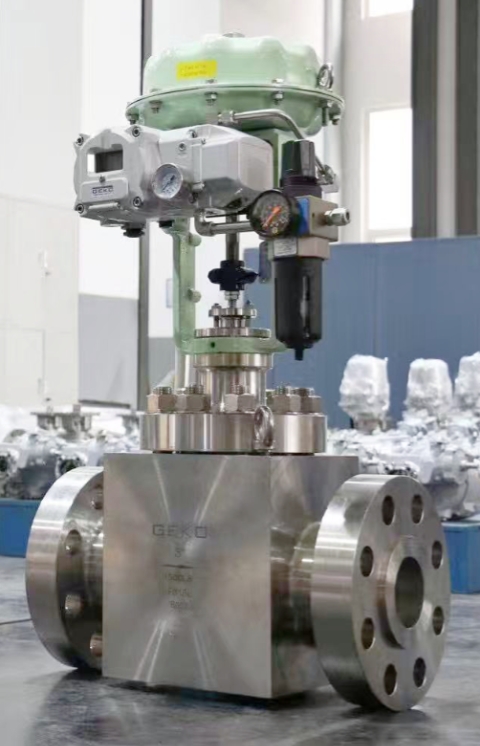
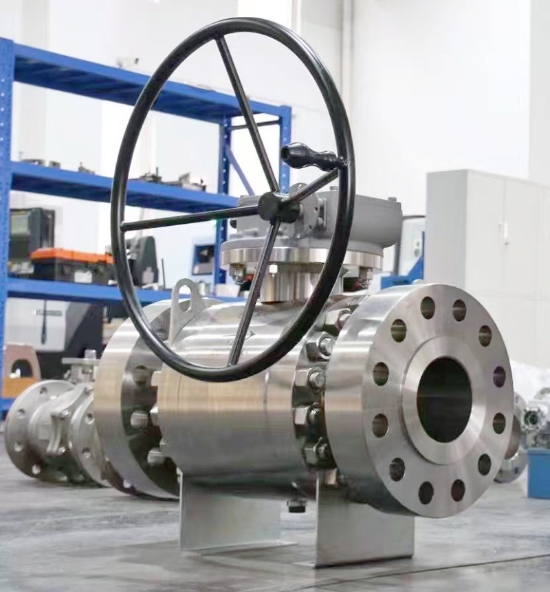
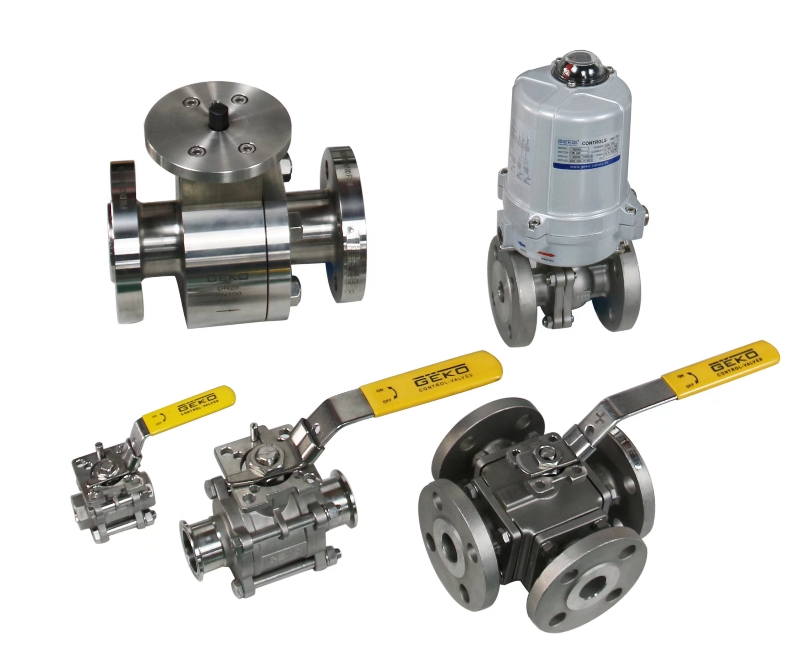
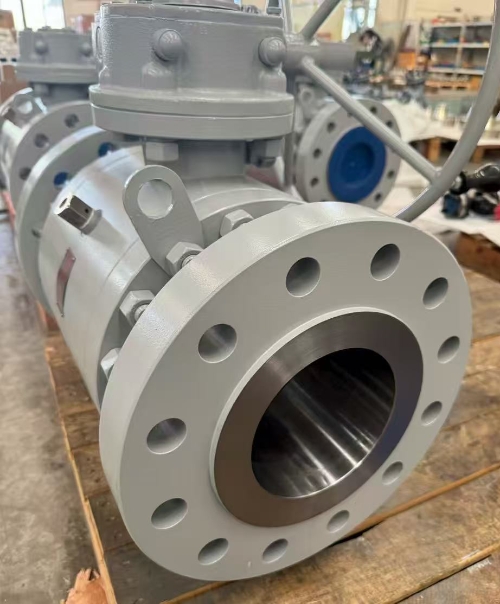
Освоение шаровых кранов: подробное руководство по выбору.Шаровые клапаны являются основополагающими компонентами регулирования потока в современных промышленных трубопроводных системах, пользующимися доверием благодаря исключительной герметичности, быстрому повороту на четверть оборота, компактной конструкции и длительному сроку службы. От обычных промышленных трубопроводов до тяжелых нефтегазовых, нефтехимических и энергетических установок, промышленные шаровые клапаны обеспечивают надежную изоляцию и регулирование потока в бесчисленных технологических условиях. Освоение профессионального выбора шаровых клапанов имеет решающее значение для предотвращения утечек в трубопроводах, снижения потерь давления, предотвращения заклинивания оборудования и минимизации долгосрочных затрат на техническое обслуживание. Это всеобъемлющее руководство подробно описывает классификацию шаровых клапанов, основные характеристики производительности, отраслевые области применения и авторитетные стандарты выбора, чтобы помочь инженерам и покупателям освоить точный подбор клапанов для всех рабочих сценариев.1. Полная классификация промышленных шаровых крановПромышленные шаровые краны классифицируются по конструктивному механизму, диаметру, конфигурации уплотнения и способу привода. Каждая категория обладает уникальными эксплуатационными преимуществами и эксклюзивными условиями эксплуатации:1.1 Классификация конструкций: плавающий шаровой клапан и шаровой клапан с цапфовым креплениемШаровые запорные клапаны с плавающим шаром имеют конструкцию с свободно плавающим шаром, отличающуюся простой, компактной структурой и экономичностью. Шар слегка перемещается под воздействием среднего давления и плотно прижимается к седлу клапана, расположенному ниже по потоку, обеспечивая герметичное перекрытие потока. Такая конструкция идеально подходит для трубопроводов малого диаметра и низкого и среднего давления, широко используемых для общего перекрытия и регулирования потока в системах водоподготовки, отопления, вентиляции и кондиционирования воздуха, а также в системах легкой химической промышленности.Шаровые краны с цапфовым креплением имеют двойную верхнюю и нижнюю опоры на цапфах, полностью фиксирующие шар на месте. Такая конструкция передает нагрузку среднего давления на вал цапфы, а не на уплотнительное седло, эффективно снижая крутящий момент и износ седла. Это предпочтительное решение для тяжелых условий эксплуатации в крупных, высоконапорных и высокоцикличных промышленных трубопроводах, занимающее лидирующие позиции в системах транспортировки нефти и газа на большие расстояния, нефтехимической промышленности и тяжелых промышленных технологических процессах.1.2 Классификация диаметров: полнопроходной и шаровой клапан с уменьшенным диаметром отверстияПолнопроходные шаровые краны имеют прямое отверстие, соответствующее внутреннему диаметру трубы, что обеспечивает практически нулевое сопротивление потоку и минимальное падение давления в промышленных шаровых кранах. Они полностью поддерживают операции по очистке и промывке трубопроводов, что делает их незаменимыми для высокоскоростных магистральных трубопроводов, технологических магистралей и систем со строгими требованиями к энергосбережению и низким потерям.Шаровые задвижки с уменьшенным диаметром отверстия имеют обтекаемую конструкцию с уменьшенным внутренним диаметром, что обеспечивает меньший вес, меньший объем и более низкие производственные затраты. Несмотря на несколько меньший диаметр проточного канала, они полностью соответствуют традиционным требованиям к изоляции и регулированию потока. Это наиболее экономичный вариант для обычных промышленных трубопроводов, не требующих очистки поршнями и имеющих требования к сверхнизкому перепаду давления.1.3 Классификация уплотнений: шаровые клапаны с металлическим и мягким уплотнениемШаровые клапаны с мягким уплотнением используют высокоэффективные уплотнительные материалы из ПТФЭ и полимерных композитов, обеспечивая абсолютную герметичность при нормальной температуре и в чистых средах. Благодаря низкому трению и гибкой возможности переключения, они подходят для чистой воды, сжатого воздуха, природного газа и неабразивных химических сред, обеспечивая стабильную и надежную ежедневную работу.Шаровые клапаны с металлическим уплотнением имеют твердосплавное покрытие на уплотнительных поверхностях, обладающее превосходной термостойкостью, устойчивостью к высокому давлению и абразивным износу. Они стабильно адаптируются к суровым условиям эксплуатации, таким как высокотемпературные термические циклы, абразивные суспензии и коррозионные среды, полностью решая проблемы старения, деформации и выхода из строя мягких уплотнений в жестких промышленных условиях.1.4 Классификация приводов: шаровой клапан с ручным или автоматическим управлениемШаровые краны с ручным управлением оснащены рукоятками или редукторными приводами, что делает их подходящими для сценариев ручного управления с низкой частотой, низкими затратами и простым техническим обслуживанием. Для современных автоматизированных промышленных систем основными вариантами являются шаровые краны с пневматическим и электрическим приводом. Пневматические шаровые краны обеспечивают высокую скорость переключения и превосходную взрывозащиту, адаптируясь к работе в легковоспламеняющихся и опасных средах. Электрические шаровые краны поддерживают точную модуляцию потока и дистанционную передачу сигналов, идеально сочетаясь с ПЛК, SCADA и интеллектуальными системами управления трубопроводами.2. Основные параметры эффективности для профессионального отбораТочный выбор шарового клапана основан на проверке стандартизированных параметров, а не на простом подборе размера. К основным параметрам, определяющим применимость клапана, относятся:- Пропускная способность (значение Cv): Профессиональный расчет значения Cv для шарового клапана гарантирует, что пропускная способность клапана соответствует потребности системы, предотвращая образование узких мест в потоке и чрезмерные потери давления в трубопроводе.- Номинальные значения давления и температуры: Класс давления и термостойкости клапана подбираются в соответствии с максимальным рабочим давлением и экстремальными температурами среды, чтобы предотвратить выход из строя уплотнений и деформацию клапана.- Согласование крутящего момента привода: Научный расчет крутящего момента привода шарового клапана на основе фактической разницы давлений обеспечивает достаточную мощность переключения и предотвращает заклинивание или неполное открытие/закрытие клапана.- Совместимость со средними средами: материалы уплотнений и корпуса следует выбирать в соответствии с коррозионной стойкостью, абразивным износом и вязкостью среды для обеспечения стабильной работы в течение длительного времени.3. Правила сопоставления приложений в зависимости от отраслиРазличные отрасли промышленности имеют свои особенности технологических процессов, что требует применения целенаправленных схем конфигурации шаровых клапанов:- Системы водоподготовки и отопления, вентиляции и кондиционирования: используются шаровые краны с мягким уплотнением и шаровые краны с уменьшенным проходным сечением, что обеспечивает баланс между стоимостью, стабильностью герметизации и низкими затратами на техническое обслуживание.- Транспортировка нефти и газа: Приоритет отдается шаровым клапанам с полнопроходным креплением на цапфах для обеспечения высокой пропускной способности, низких потерь и технического обслуживания при прочистке трубопроводов с помощью поршневых устройств.- Нефтехимическая и химическая промышленность: Развертывание шаровых клапанов с металлическим уплотнением и антикоррозионных шаровых клапанов для высокотемпературных, коррозионных и абразивных технологических сред.- Теплоэнергетика и металлургия: Использование высокотемпературных и износостойких шаровых клапанов с металлическим уплотнением для работы с паром, высокотемпературными дымовыми газами и шлаковыми средами.- Интеллектуальная обрабатывающая промышленность: Оснащение шаровых клапанов пневматическим и электрическим приводом для обеспечения автоматического управления, дистанционного мониторинга и интеллектуального управления трубопроводами.4. Передовые советы по выбору оборудования для предотвращения операционных рисков.Для того чтобы досконально освоить выбор шаровых кранов, необходимо избегать распространенных заблуждений и сформировать стандартизированную логику выбора:- Никогда не выбирайте клапаны, ориентируясь только на номинальный диаметр трубы; всегда проверяйте коэффициент расхода Cv, чтобы предотвратить недостаточную пропускную способность и чрезмерное падение давления в промышленных шаровых клапанах.- Разграничьте области применения плавающих и цапфовых конструкций: плавающие шаровые задвижки для небольших трубопроводов низкого давления, цапфовые шаровые задвижки для крупных систем высокого давления, рассчитанных на большие нагрузки.- Необходимо строго разделять сценарии использования мягких и металлических уплотнений: мягкие уплотнения предназначены для чистых сред с нормальной температурой, металлические — для сред с высокой температурой, абразивных и агрессивных коррозионных сред.- Необходимо предусмотреть достаточный запас прочности для крутящего момента привода в условиях высокого перепада давления, чтобы исключить риски отказа при переключении.- Для трубопроводов, требующих очистки с помощью поршневых устройств, выбирайте полнопроходные клапаны, чтобы обеспечить бесперебойное проведение последующего технического обслуживания.5. Профессиональные решения для шаровых клапанов от GEKO ValveКомпания GEKO Valve, являясь профессиональным производителем промышленных клапанов, предлагает полный ассортимент высокопроизводительных шаровых клапанов, включая плавающие шаровые клапаны, шаровые клапаны с цапфовым креплением, полнопроходные и редуцированные шаровые клапаны, шаровые клапаны с металлическим седлом, а также комплекты шаровых клапанов с индивидуальным приводом. Мы предоставляем комплексные профессиональные услуги, включая расчет коэффициента пропускной способности (Cv) шаровых клапанов и проверку крутящего момента привода, эффективно контролируя потери давления в системе и обеспечивая стабильную и эффективную работу клапанов в сложных промышленных условиях. Вся продукция соответствует международным отраслевым стандартам и используется в глобальных промышленных трубопроводных проектах, обеспечивая высокое качество, низкий уровень отказов и длительный срок службы.Основные SEO-ключевые слова: шаровой кран с цапфовым креплением, шаровой кран с плавающим шаром, шаровой кран с металлическим седлом, полнопроходной шаровой кран, шаровой кран с уменьшенным проходным сечением, пневматический шаровой кран, электрический шаровой кран, промышленный шаровой кран, шаровой кран высокого давления
ЧИТАТЬ ДАЛЕЕ






 Электронная почта
: info@geko-union.com
Электронная почта
: info@geko-union.com
 Электронная почта
: info@geko-valves.de
Электронная почта
: info@geko-valves.de
 Электронная почта
: tw@geko-union.com
Электронная почта
: tw@geko-union.com
 Электронная почта
: nl@geko-union.com
Электронная почта
: nl@geko-union.com



 Поддерживается сеть IPv6