Поставка коррозионностойких шаровых клапанов для работы в агрессивных химических средах | Клапаны GEKO
Aug 12, 2026
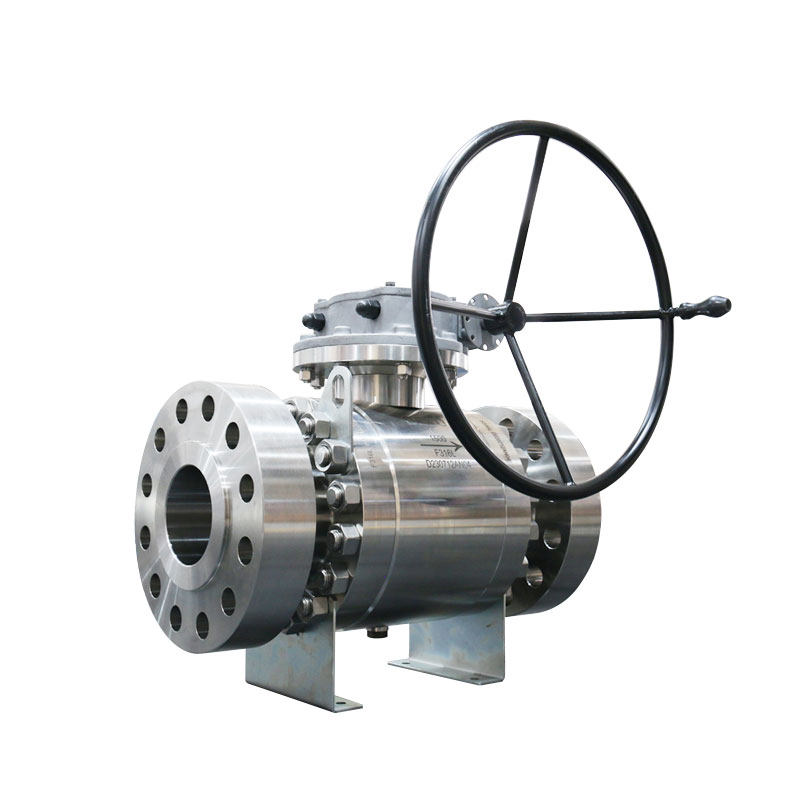
Поставка коррозионностойких шаровых клапанов для работы в агрессивных химических средах. Химические заводы, опреснительные установки, морские платформы, очистные сооружения и горнодобывающие предприятия работают в агрессивных кислых, щелочных, богатых хлоридами, окислительных и рассоловых средах. Обычные шаровые краны из углеродистой стали или стандартной нержавеющей стали марки 304 в течение короткого срока службы подвергаются точечной коррозии, щелевой коррозии, коррозионному растрескиванию под напряжением и быстрому утонению стенок, что приводит к утечкам жидкости, остановке трубопроводов и даже создает угрозу безопасности. Поэтому поиск профессиональных коррозионностойких шаровых кранов, предназначенных для работы в суровых химических условиях, становится ключевой задачей для инженеров-технологов и заказчиков проектов.Коррозионностойкие шаровые краны также известны под различными отраслевыми названиями на мировых рынках закупок: химически стойкие шаровые краны, антикоррозионные шаровые краны, шаровые краны для работы в агрессивных средах, кислото- и щелочестойкие шаровые краны, хлоридостойкие шаровые краны. Это руководство систематически систематизирует марки сплавов корпуса, материалы внутренней отделки, конфигурации уплотнений, конструктивные особенности и стандарты соответствия, которые необходимо проверить при запросе, помогая вам выбрать долговечные и экономически эффективные антикоррозионные решения для клапанов. 1. Основные коррозионностойкие материалы корпуса для работы в агрессивных химических средах.Корпус клапана является основным барьером, выдерживающим давление и защищающим от коррозионных жидкостей. Различные сплавы обладают совершенно разной устойчивостью к кислотам, щелочам, соленой воде и химическим растворителям. Ниже приведены все распространенные марки сплавов с их альтернативными обозначениями и применимыми средами:1.1 Шаровой клапан из аустенитной нержавеющей стали 316/316LОбщепринятые названия: шаровой клапан A182 F316, шаровой клапан из нержавеющей стали с молибденовым сплавом. Молибденовый компонент значительно повышает устойчивость к хлорид-ионам, разбавленной серной кислоте, фосфорной кислоте и солевому туману. Низкоуглеродистая версия 316L предотвращает межкристаллитную коррозию после сварки и широко используется в линиях дозирования химических веществ, сточных водах и слабокоррозионных органических растворителях. Это базовый вариант антикоррозионной защиты для химических сред средней концентрации.1.2 2205 Шаровой клапан из дуплексной нержавеющей сталиАльтернативное название: шаровой клапан из дуплексной стали UNS S32205, двухфазный шаровой клапан из нержавеющей стали. Сочетает в себе высокую механическую прочность и превосходную стойкость к коррозии хлоридами, эффективно противостоит воздействию рассола, солоноватой воды, морской воды и растворов средней кислотности и щелочности. Превосходит нержавеющую сталь 316 по показателям устойчивости к точечной коррозии и растрескиванию под напряжением, является стандартным выбором для опреснительных установок и прибрежных химических заводов. 1.3 2507 Шаровой клапан из супердуплексной нержавеющей сталиАльтернативное название: шаровой клапан из супердуплексной стали UNS S32750. Содержит больше хрома, молибдена и азота, чем дуплексная сталь 2205, подходит для работы с концентрированными рассолами, высокотемпературной морской водой и сильно загрязненными химическими сточными водами. Используется в морской технике и в трубопроводах, работающих в суровых условиях с высоким содержанием соли. 1.4 Шаровые краны из высоконикелевых сплавов (суперсплавы)Шаровой клапан из сплава Hastelloy C276Устойчив к сильным окисляющим кислотам, хлору, гипохлориту и смешанным коррозионным химическим веществам, идеально подходит для пестицидной, хлорщелочной и химической промышленности.Шаровой клапан из сплава инконель 625Обладает превосходной устойчивостью к высокотемпературным коррозионным средам и термической усталости, применяется в трубопроводах для отвода продуктов высокотемпературных химических реакций.Шаровой клапан из монеля 400: Превосходная устойчивость к фтористоводородной кислоте, щелочным растворам и морской воде, эксклюзивный материал для систем обработки фтористоводородной кислотой.1.5. Коррозионностойкие шаровые краны с футеровкой (экономичная альтернатива)Для сильно агрессивных сред, таких как концентрированная соляная кислота, фтороводородная кислота и сильные окислители, легированные материалы слишком дороги. В шаровых кранах с футеровкой используется наружный слой из углеродистой или литой стали с полной внутренней футеровкой в качестве антикоррозионного слоя:Шаровой кран с тефлоновым покрытием (PTFE-футеровка)Шаровой кран с футеровкой из PFA, шаровой кран с футеровкой из FEP, шаровой кран с резиновой футеровкойПокрытие полностью изолирует металлическую основу от коррозионно-активной жидкости, обеспечивая полную химическую инертность и значительно снижая бюджет на закупку крупногабаритных химических трубопроводов.2. Подбор антикоррозионных отделочных и уплотнительных материалов.Даже при использовании корпусов из высококачественных сплавов, неправильный выбор материалов шаровых и седловых подшипников приведет к преждевременному выходу из строя в агрессивных химических средах. Внутренние элементы отделки и уплотнения должны быть химически совместимы с протекающей средой:Шаровой клапан с седлом из ПТФЭ/РПТФЭУниверсальная химическая инертность по отношению к большинству кислот, щелочей и органических растворителей, герметичное закрытие при комнатной и умеренной температуре.Коррозионностойкий шаровой клапан с седлом из PEEKСочетает химическую стойкость с износостойкостью, подходит для агрессивных сред, содержащих твердые частицы и кристаллические осадки.Шаровой клапан STL Stellite с упрочненным металлическим уплотнением: Наплавка STL6/STL12 на поверхности шара и седла, для работы с высокотемпературным коррозионным паром, абразивными химическими суспензиями и легковоспламеняющимися опасными жидкостями, требующими пожарной безопасности.Шаровой сердечник из сплаваШар и шток изготовлены методом ковки из того же сплава, что и корпус клапана (дуплексная сталь 2205, хастеллой C276, монель 400), чтобы исключить гальваническую коррозию, вызванную контактом разнородных металлов.3. Конструктивные особенности, оптимизированные для трубопроводов, подверженных химической коррозии.3.1 Выбор типа отверстияКоррозионностойкий шаровой клапан с полным проходным сечением/проходом: минимизирует падение давления, предотвращает образование отложений и накипи внутри канала, идеально подходит для вязких, кристаллизующихся и содержащих твердые частицы химических жидкостей.Шаровой клапан с уменьшенным диаметром/ограниченным проходным сечением, устойчивый к коррозии: компактный размер для линий отбора проб малого диаметра, ответвлений трубопроводов контрольно-измерительных приборов и точек дозирования химических реагентов с низким расходом.3.2 Разделенная конструкция корпусаТрехкомпонентный шаровой кран, устойчивый к коррозии: легко разбирается для осмотра внутренней облицовки, замены седла и промывки трубопровода, удобен для регулярного технического обслуживания химического технологического оборудования.Двухкомпонентный цельнолитой шаровой клапан из сплава: жесткая конструкция, меньшее количество точек утечки для систем химических реакций высокого давления с замкнутым контуром.3.3 Формы концевых соединенийФланцевый шаровой клапан с коррозионностойким покрытием RF, шаровой клапан из сплава BW с приваркой встык, шаровой клапан с футеровкой SW с раструбной сваркой, санитарный антикоррозионный шаровой клапан Tri-Clamp для фармацевтических и пищевых коррозионных добавок.3.4 Вспомогательные системы безопасности для работы с опасными химическими веществами- Конструкция штока, предотвращающая выдувание - Антистатическое устройство для паров легковоспламеняющихся и взрывоопасных химических веществ - Блокирующее устройство для предотвращения неправильной эксплуатации - Функция двойной блокировки и сброса давления (DBB) для изоляции токсичных сред - Огнестойкая конструкция в соответствии со стандартом API 6074. Важные сертификаты, необходимые для проектов в химической промышленностиПри закупке комплектующих для глобальных химических заводов необходимо проверить следующие обязательные документы для прохождения независимой инспекции: 1. Протокол испытаний материалов (MTR) с указанием номера плавки для сплавов и суперсплавов; 2. Сертификат API 6D для трубопроводов большой грузоподъемности в нефтехимической и химической промышленности; 3. Сертификат модуля CE PED для таможенного оформления импорта на рынок ЕС; 4. Сертификат огнестойкости API 607; 5. Отчет о неразрушающем контроле (НК) для литых и кованых деталей клапанов из сплавов.5. Распространенные дорогостоящие ошибки при закупках, которых следует избегать.Для морской воды и сред с высоким содержанием хлоридов, выбирайте шаровые краны из нержавеющей стали SS304, так как они быстро подвергаются точечной коррозии.Использование обычных уплотнений из ПТФЭ для высокотемпературной обработки сильными окисляющими химическими веществами может привести к разрушению облицовки и утечке среды.Выбор разнородных металлических материалов для шара и штока клапана приводит к гальванической коррозии внутри полости клапана.Для химических жидкостей, склонных к кристаллизации, выбирайте трубопроводы с уменьшенным диаметром канала, так как это может привести к засорению трубопровода и избыточному давлению в системе.Отсутствие сертификатов на материалы MTR и документов, подтверждающих пожарную безопасность, приведет к отказу в приемке проекта и таможенном оформлении экспорта.ЗаключениеВыбор высококачественных коррозионностойких шаровых клапанов для работы в агрессивных химических средах основан на точном подборе материалов: нержавеющая сталь 316L для умеренной коррозии, дуплексная сталь 2205/2507 для работы с хлоридами и морской водой, суперсплавы Hastelloy, Inconel и Monel для работы со сверхпрочными коррозионными средами, а также шаровые клапаны с футеровкой из PTFE/PFA в качестве экономичной альтернативы большого диаметра. В сочетании с подобранной антикоррозионной арматурой, химически совместимыми уплотнительными материалами, полнопроходной противозасоряющей конструкцией и полным набором отраслевых сертификатов, эти характеристики позволяют максимально увеличить срок службы клапанов и исключить незапланированные простои в агрессивных химических технологических системах.Компания GEKO Valve производит полный спектр коррозионностойких шаровых клапанов, включая варианты из дуплексной стали, суперлегированных сплавов и с футеровкой из ПТФЭ, с возможностью индивидуальной настройки диаметра, конфигурации уплотнения, приводного механизма и предохранительных устройств для предприятий химической, опресняющей, морской, водоочистной и фармацевтической промышленности по всему миру.
ЧИТАТЬ ДАЛЕЕ






 Электронная почта
: info@geko-union.com
Электронная почта
: info@geko-union.com
 Электронная почта
: info@geko-valves.de
Электронная почта
: info@geko-valves.de
 Электронная почта
: tw@geko-union.com
Электронная почта
: tw@geko-union.com
 Электронная почта
: nl@geko-union.com
Электронная почта
: nl@geko-union.com



 Поддерживается сеть IPv6